
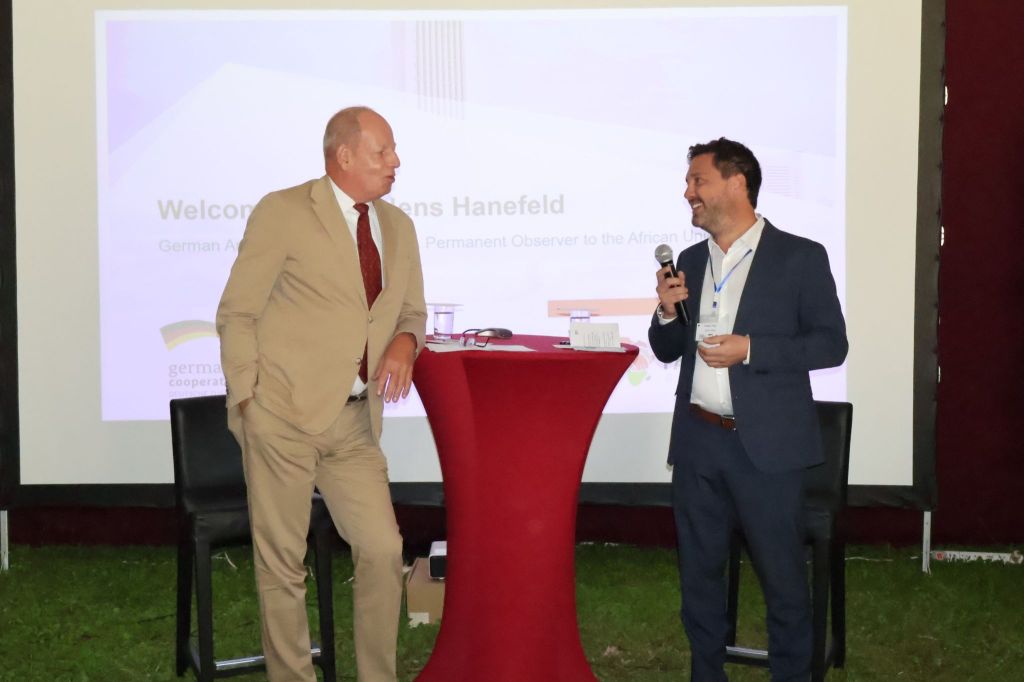
In February 2025, we welcomed 200+ colleagues from over 20 countries to GIZ African Union’s annual planning meeting in Addis Ababa. One of our key ambitions was making this event as inclusive and accessible as possible.
At GIZ, inclusion isn’t just a checkbox – it’s what makes an event meaningful. We truly believe in “Leaving no one behind” and GIZ’s role as a Diversity Charter partner. We didn’t want to just “accommodate” colleagues; we wanted them to feel like they belonged.
Here are some lessons we learned:
1️⃣ Be inclusive without being intrusive
We knew some colleagues were fasting for Lent or Ramadan, others had different physical abilities, and a few had dietary limitations. But we also knew we couldn’t anticipate all needs.
We respectfully asked colleagues about their needs during registration: “What do you need to fully participate?” rather than “What can’t you do?”
Instead of asking about religious affiliation, we simply asked when they would take lunch – at noon, in the afternoon, or not at all.
2️⃣ Choose a venue that works for everyone
The right venue can make or break inclusivity. The team at the International Livestock Research Institute (ILRI) went the extra mile to make our event a success, helping us with:
- A high-quality sound system ensuring clarity for everyone, including those with hearing impairments
- Multiple lunch options and times to accommodate religious and dietary needs
- A dedicated prayer tent
3️⃣ Build a diverse organising team
We ensured our organising team reflected our portfolio’s diversity, including a gender-balanced team. Event planning is often left to women due to outdated stereotypes about organisational skills – but that’s nonsense.
We also ensured our organising team included colleagues with disabilities – not as advisors, but as full members. All organisers worked hard to find team-building activities that did not exclude colleagues with physical disabilities. Inclusive activities are everyone’s responsibility – not just for colleagues with disabilities.
4️⃣ Invest in interpretation – it’s more than just interpretation
With many technical topics on the agenda, we provided interpretation for Amharic and French speakers. Colleagues for whom English is a second, third, or even fourth language confirmed that this enabled them to fully engage in discussions and presentations.
Our annual planning reinforced for me that small, thoughtful changes can make a big difference. Seeing all colleagues fully engaged – because they had what they needed – was incredibly rewarding.
This post first appeared on my LinkedIn. It does not necessarily reflect the views of GIZ.
 Felix Youngman